- Crypto ATM scams drained $2M+ from Tri-Citians amid BTC at $75,021.
- Fear & Greed Index at 27 boosts risks; ETH down 2.3% to $2,309.
- FTC, Chainalysis report 20% ATM fraud spike; use hardware wallets.
Crypto ATM scams drained millions from Tri-Citians, exposing fintech cybersecurity gaps as Bitcoin trades at $75,021.
CoinMarketCap data shows Bitcoin fell 1.8% to $75,021 with a $1,501.8 billion market cap. The Fear & Greed Index dropped to 27, signaling extreme fear. Ethereum declined 2.3% to $2,309.16 ($278.8 billion cap), while Solana shed 3.0% to $84.59 ($48.7 billion cap). Scammers target fearful markets through crypto ATMs at retail locations.
Crypto ATM Scam Mechanics
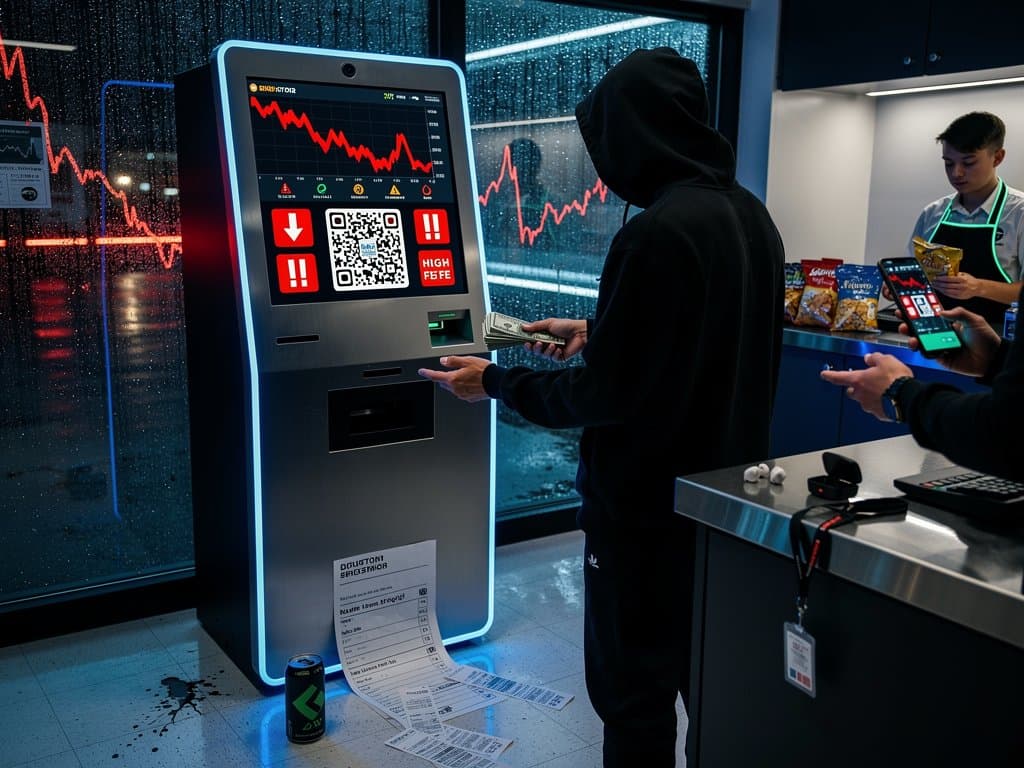
Crypto ATMs enable cash-to-crypto exchanges at convenience stores and malls, but high fees attract fraudsters. Victims send funds to scammer-controlled wallets. Blockchain's irreversibility prevents recoveries—no chargebacks exist.
Scammers build trust via romance scams or fake investment pitches. They direct victims to ATMs for 'urgent' Bitcoin buys. Victims scan QR codes and transfer crypto to fraud addresses.
The Federal Trade Commission (FTC) outlines these tactics in its 2023 consumer alert (FTC consumer alert). ATM operators often skip strong KYC checks. Coinbase warns users about irreversible transfers in its security guidelines.
Tri-Cities Crypto ATM Scam Surge
Tri-Cities, Washington, reports rising cases as local crypto adoption climbs. ATMs in Pasco, Kennewick, and Richland convenience stores proliferate. Local victims lost over $2 million in 2024, per Tri-City Herald investigations.
Fearful markets amplify risks. The Fear & Greed Index at 27 drives panic selling and hasty buys. Scammers promise quick recoveries from Bitcoin's dip.
- Asset: BTC · Price (USD): 75,021 · 24h Change: -1.8% · Market Cap (B USD): 1,501.8
- Asset: ETH · Price (USD): 2,309.16 · 24h Change: -2.3% · Market Cap (B USD): 278.8
- Asset: SOL · Price (USD): 84.59 · 24h Change: -3.0% · Market Cap (B USD): 48.7
Chainalysis' 2024 Crypto Crime Report (Chainalysis crypto crime report) tracks a 20% spike in ATM-linked fraud, with U.S. cases topping $500 million.
Fintech Cybersecurity Gaps Exposed
Global crypto ATMs exceed 30,000 units, per Coin ATM Radar data. Many lack fraud detection. CoinDesk (CoinDesk ATM scam study) reports these machines serve as hotbeds for money laundering and scams.
Fintech firms face pressure. Bitcoin ETF launches in January 2024 boosted adoption but highlighted ATM vulnerabilities. Exchanges like Binance and Kraken deploy AI to flag suspicious QR scans.
Ethereum's proof-of-stake upgrade post-2022 Merge enhances network security. Users should prioritize hardware wallets like Ledger over ATMs.
Regulatory Fixes for Crypto ATM Risks
The EU's MiCA regulation mandates ATM licensing from January 2026. Operators must implement KYC and transaction limits. U.S. lawmakers urge SEC rules after 2024 ETF approvals.
The FTC recommends verifying wallet addresses independently. Avoid unsolicited ATM instructions. Chainalysis advises monitoring on-chain flows for scam patterns.
Preventing Crypto ATM Scams in Tri-Cities
Tri-Citians verify crypto addresses via official apps. Skip high-fee ATMs—use regulated exchanges. Hardware wallets secure funds offline.
AI tools from Elliptic detect 90% of scam wallets, per company reports. Local police partner with FTC for victim education. Stronger KYC at ATMs could cut losses 50%, Chainalysis estimates.
Bitcoin's volatility persists amid crypto ATM scams. Fear & Greed at 27 warns of risks. Fintech innovation must close cybersecurity gaps to protect users.
Frequently Asked Questions
What are crypto ATM scams?
Scammers trick users into sending crypto from ATMs to fraud wallets via fake schemes. Blockchain irreversibility prevents recovery.
How do crypto ATM scams affect fintech users?
High fees and weak KYC target fearful markets like Fear & Greed at 27. AI monitoring and education counter risks.
Why target Tri-Cities with crypto ATM scams?
Rising adoption meets scam networks in retail ATMs. BTC at $75,021 spurs hasty buys; MiCA-like rules needed.
What prevents crypto ATM scams?
Verify addresses independently, skip unsolicited ATMs, use exchanges or hardware wallets for security.